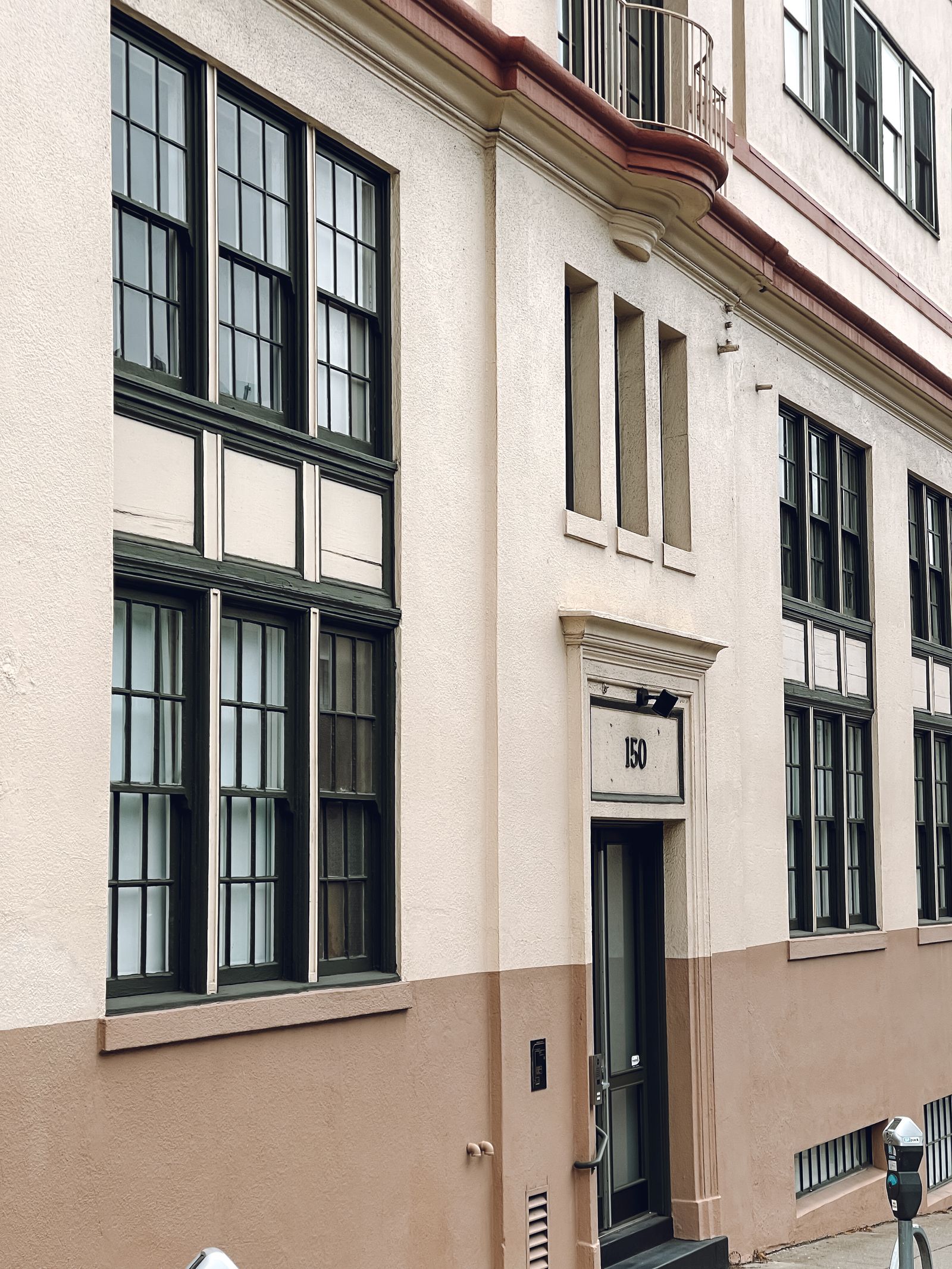
Soft washing is a controlled process, not zero-risk water
Soft washing generally combines compatible chemistry, measured dwell, and a lower-impact rinse for appropriate contamination. It may fit organic growth, pollen, bird residue, loose dust, and atmospheric film on tested masonry, concrete, stucco, EIFS, painted finishes, or other compatible materials. The word soft does not mean every wall receives identical chemistry or pressure. Concentration, dwell, temperature, agitation, rinse volume, protection, surface condition, and dry-down all affect the result.
On a McAllen office, hotel, medical building, retail frontage, warehouse, or downtown property, soft washing can be useful for broad facade soil when the water path and occupied-site controls are workable. It does not fix a leaking roof, failed joint, cracked stucco, spalled concrete, corroded panel, loose coating, damaged seal, or mineral source. A credible quote names the condition being addressed and identifies what belongs with a roofer, mason, glazier, painter, irrigation contractor, corrosion specialist, or envelope professional.
Where pressure washing can fit in McAllen
Pressure washing can fit selected durable surfaces such as tested concrete sidewalks, curbs, ramps, loading pads, service yards, parking structures, and some hardscape when the substrate, nearby finishes, drainage, and operating plan support it. It can release adhered soil that a lower-impact rinse may not. That does not make high pressure the default for a facade. Excessive pressure can etch concrete, erode mortar, force water behind siding or joints, strip paint, damage stucco or EIFS, break seals, and carry dirty water beyond the intended zone.
A La Plaza Mall-area retail property might use pressure on a tested concrete service pad while storefront frames, signs, stucco, landscaping, and glass receive another method. A medical office may have a durable parking ramp that differs completely from its painted entry, stone veneer, doors, and patient route. A warehouse may have a concrete truck court suitable for pressure while insulated panels, dock seals, cameras, and electrical equipment need controlled treatment. Compare every material and outcome instead of applying one setting to the whole address.
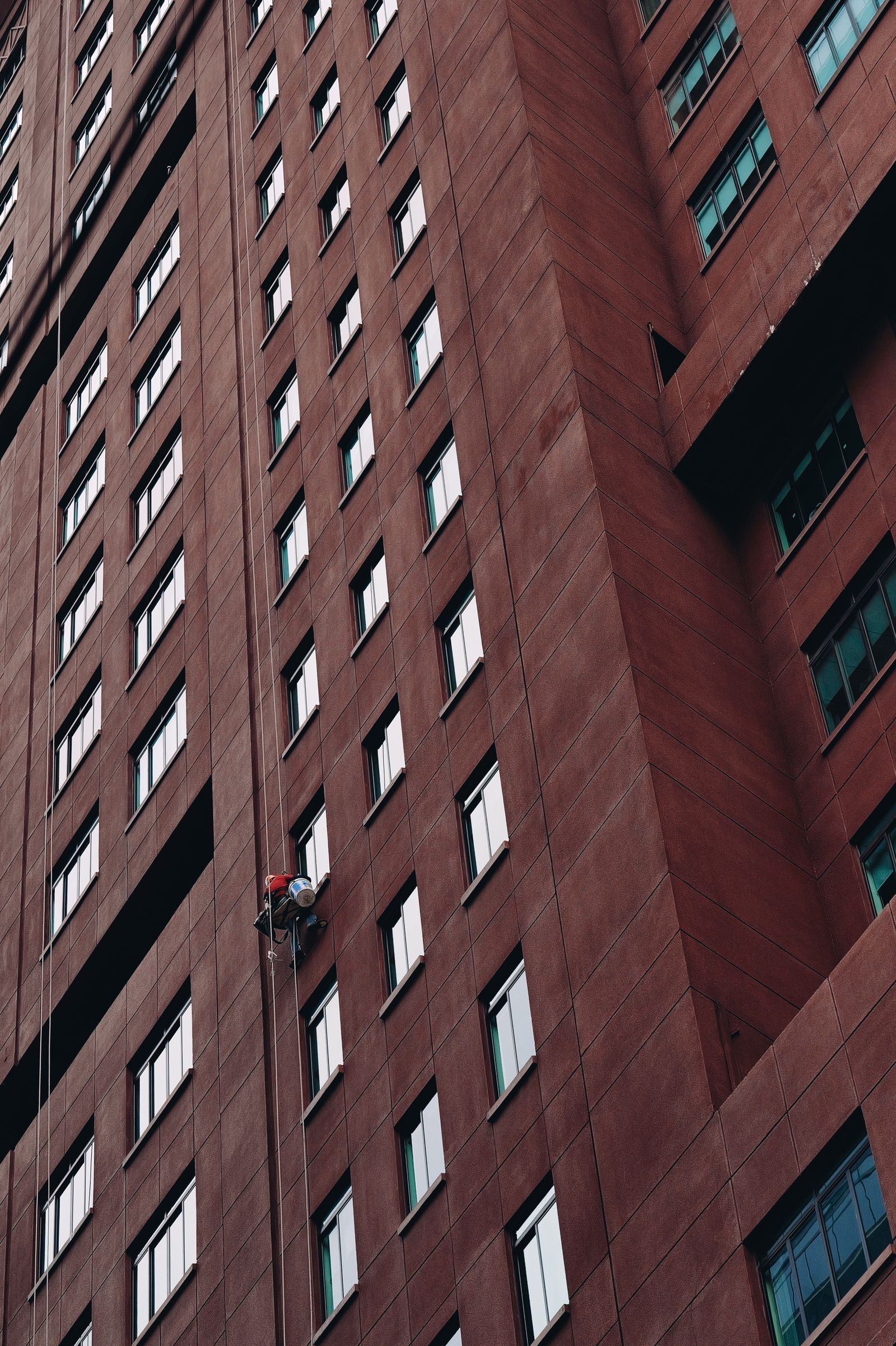
Diagnose heat, dust, irrigation, and rain residue
Rio Grande Valley sun can heat west-facing walls, metal, glazing, pavement, and concrete quickly. That changes soft-wash dwell, evaporation, rinse behavior, worker exposure, and visual consistency. Dry, windy conditions can move dust onto wet surfaces or toward open doors. Humidity and shade can keep landscaping edges and covered walkways damp. Irrigation overspray can create mineral marks or repeated wetting. The right method and schedule may differ between a sunlit retail wall and a shaded medical entrance.
Rain can carry roof soil, leaves, silt, parking residue, and other storm material toward low walls, door thresholds, ramps, and inlets. A dark mark may be organic growth or roof runoff; a white band may be mineral residue; a dull finish may be oxidation or coating failure. Routine washing should not be presented as a diagnosis or repair. Ask whether the scope includes source correction, mineral treatment, specialty restoration, or only loose surface soil and appearance improvement.
The McAllen-Edinburg commercial context also affects planning. Shared drive aisles, new construction, customer traffic, professional offices, medical campuses, retail, hospitality, and warehouse movement create different access and handback needs. The right comparison includes who must keep moving, when the facade can be wet, where water may travel, and which elevation matters most to the owner.
Compare materials, access, and finish risk
Brick and mortar need attention to joint condition and age. Stucco and EIFS require review of cracks, penetrations, drainage details, and the risk of forcing water behind the finish. Tilt-up concrete, precast panels, painted metal, insulated panels, glass, signs, cameras, seals, and air intakes each impose different protection and test-area questions. A discreet test can show whether the selected approach changes the visible condition without creating a new one.
Access changes the comparison too. A broad upper wall may support drone assistance when wind, airspace, visual control, stand-off distance, launch space, hose routing, and a protected ground zone work together. A narrow downtown sidewalk, active retail entry, medical drop-off, hotel arrival, or property with overhead utilities may favor a lift, pole, roof access, hand detail, hybrid, or rescheduled approach. Drone assistance does not eliminate contact work at glass, frames, recessed details, mineral deposits, or delicate features, and commercial operations must follow applicable FAA rules.
Plan water, drainage, and occupied-site handback
Identify storm inlets, slopes, low points, planted areas, irrigation, detention features, doors, adjacent parcels, and places where storm residue collects before rinsing. The nearest inlet is not automatic permission to discharge. Product, soil load, rinse volume, and actual flow determine whether the work needs diversion, recovery, filtration, reduced water, plant protection, disposal, or responsible-authority coordination. Put the assumptions in the quote and define what happens if a blocked drain, rain event, or unexpected flow path changes them.
The people plan is equally important. Coordinate patients, shoppers, guests, tenants, employees, deliveries, events, security, accessible travel, and emergency routes. Divide work around the busiest elevations, protect doors and air intakes, route hoses deliberately, and inspect the handback area before reopening it. On warehouse and service properties, protect truck courts, forklift lanes, gates, equipment, and loading schedules. A method that looks efficient on an empty plan may be disruptive at a real operating site.
Use the quote to choose a defensible method
The practical answer is often a combination: soft washing for compatible organic or atmospheric film, controlled rinsing for selected upper panels, water-fed poles for suitable glass, hand detail at entries, and pressure washing only on a tested hardscape zone. Another property may need mineral treatment, irrigation adjustment, coating assessment, repair, or glass restoration before routine cleaning. There is no meaningful method comparison without a defined outcome such as dust removal, cleaner curb appeal, an event-ready entrance, reduced visible staining, or a recurring maintenance condition.
Ask each provider to identify the elevations, materials, residue, access method, protection plan, water and drainage assumptions, weather limits, operating windows, exclusions, test-area approach, closeout documentation, and finish standard. Confirm whether entrances, glass, hardscape, mineral spotting, traffic control, and facility coordination are included. Ask what will remain and what should be referred to another professional. A price that omits those items may not describe the same scope.
For a McAllen comparison or quote, send photographs from the main elevations, roof edges, entries, loading areas, service yards, and problem spots. Include approximate height, materials, known leaks or repairs, heat and shade exposure, irrigation, water access, drainage, preferred dates, tenant or production restrictions, event schedules, and security requirements. Call +1 239-351-2897, email contact@dronebuildingcleaners.com, or submit the existing quote form so the recommendation matches the building and the people using it.